
In the ever-changing world of culinary trends, one movement is making a profound impact on kitchens around the globe: the celebration of simple, high-quality ingredients. This back-to-basics approach highlights the artistry of minimalism, proving that less can indeed be more. Here, we explore why this trend resonates with chefs and home cooks and how it shapes modern cuisine.
The Appeal of Simplicity

At its core, the trend toward simple, high-quality ingredients is a response to the fast-paced, often overly complicated nature of contemporary life. As consumers grow weary of overly processed foods and elaborate cooking techniques, many seek comfort in authentic, straightforward recipes. There’s a renewed appreciation for dishes that focus on a few key elements—each carefully chosen for its quality and flavor.
Take, for example, the French classic “Jambon Beurre.” This humble sandwich, made with crusty baguette, creamy butter, and thinly sliced ham, has garnered cult status among food lovers. Its charm lies in the impeccable quality of its ingredients: a perfectly baked baguette, rich artisan butter, and premium ham combine to create a dish far greater than the sum of its parts.
Why Quality Matters
Quality ingredients elevate even the simplest dishes, transforming them into something extraordinary. For instance, a ripe, vine-grown tomato can outshine a complex sauce when paired with fresh mozzarella and a drizzle of extra virgin olive oil. The secret lies in the ingredients’ natural flavors and textures, which shine when allowed to take center stage.
Moreover, the focus on quality extends beyond taste. Many consumers are increasingly mindful of sustainability, ethical sourcing, and the environmental impact of their food choices. High-quality ingredients often align with these values, typically produced by small-scale farmers and artisans who prioritize sustainability and environmental care.
How to Embrace This Trend
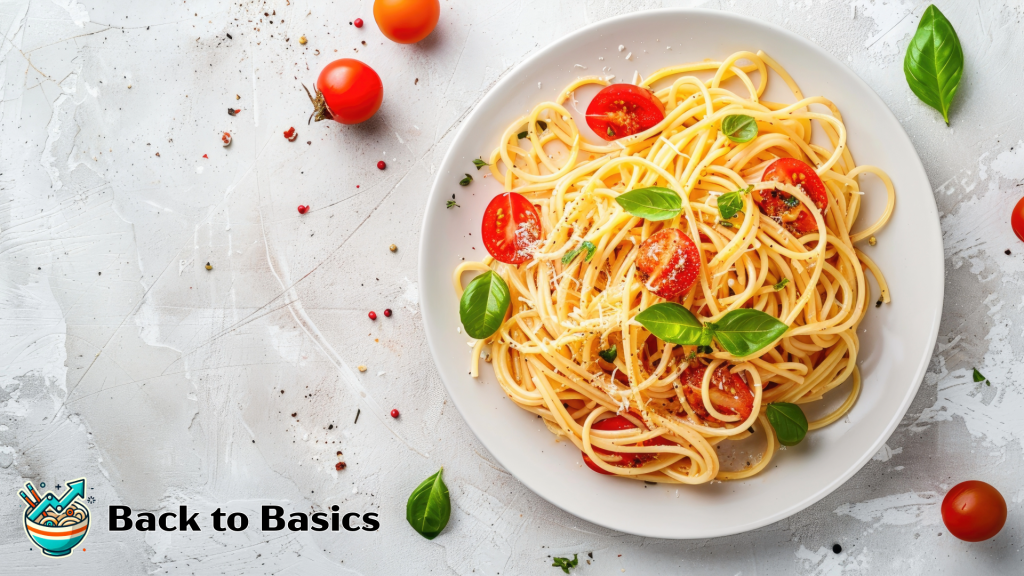
For those looking to incorporate this trend into their cooking, the key is to start with the basics. Here are a few tips:
- Source Locally: Visit farmers’ markets or local producers to find seasonal ingredients that are fresh and full of flavor. Not only do you support your community, but you also reduce the carbon footprint of your meals.
- Prioritize Freshness: Select ingredients at their peak ripeness. Whether it’s a sweet peach in summer or a hearty winter squash, freshness makes all the difference.
- Choose Artisan Products: Look for handcrafted cheeses, breads, and cured meats. These often have a depth of flavor that mass-produced alternatives can’t match.
- Keep It Simple: Allow the ingredients to speak for themselves. Minimal seasoning and straightforward preparation can often bring out the best in high-quality components.
The Beauty of Imperfection
Another aspect of this trend is the celebration of imperfection. Perfectly symmetrical produce or factory-standard items are giving way to heirloom varieties and artisanal products, each with their unique quirks and character. A misshapen tomato or a loaf of bread with a rustic crust tells a story, connecting us to the people and places behind our food.
A Lasting Impact

As this trend continues to grow, it’s likely to have a lasting impact on how we approach food. By emphasizing quality and embracing simplicity, we not only create more delicious meals but also cultivate a deeper connection to the ingredients we use and the stories they tell.




Leave a comment